







Search Results for: multi-layer heart
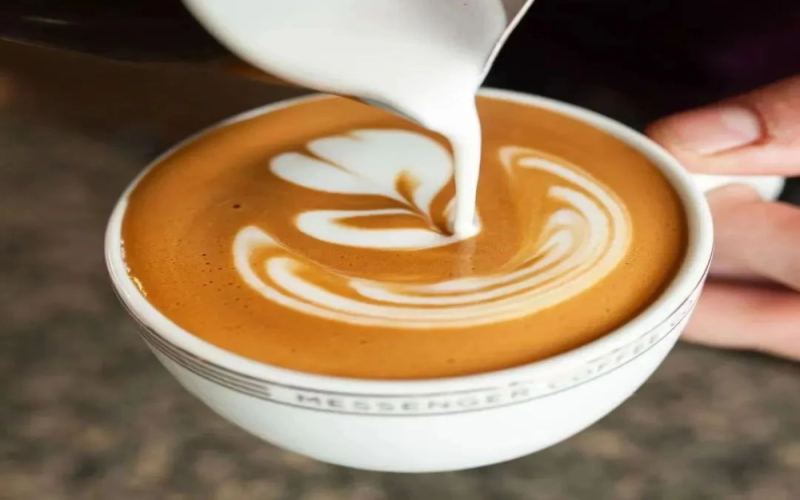
Espresso Milk Coffee | Why is Dirty coffee so popular? What is the recipe ratio for the internet-famous dirty coffee? What are the flavor characteristics of dirty?
It must be said that the ways to play with espresso are truly endlessly varied—just the combination of espresso and milk alone can create a great many coffee drinks. Dirty coffee is a very popular type of espresso drink born from the collision of espresso and milk. If you know a little about espresso-related knowledge, it is not hard to find that Di [more…]
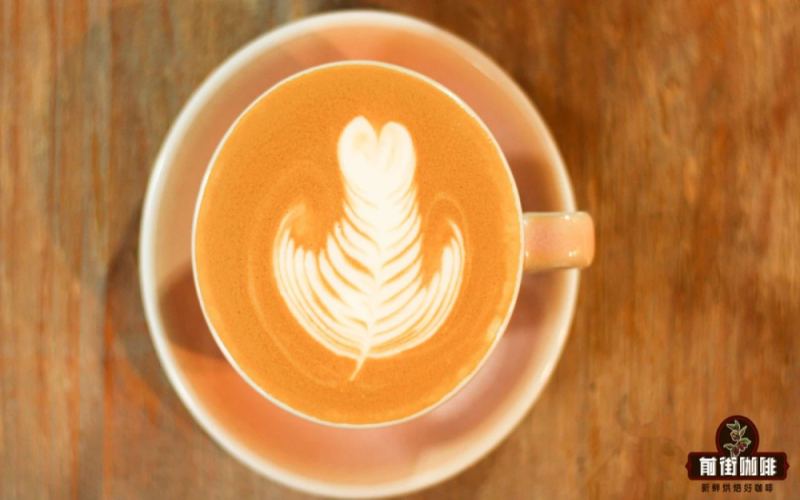
Latte art tutorial | Which milk is suitable for making latte art? How exactly do you do a leaf rosetta latte art? What mistakes are easy to make in latte art?
Today Front Street Coffee is here to share a new basic latte art pattern—the "leaf"! This time, the method for this leaf pattern is almost identical to the layered heart: both are formed by swinging the milk pitcher at a steady speed to create regular, symmetrical lines. If you've already mastered the layered heart, then the leaf is as good as in the bag too. Leaf. [more…]

A Detailed Guide to Coffee Latte Art for Beginners | Which Coffee Beans Are Suitable for Latte Art? How Do You Make a Heart-Shaped Latte Art Pattern on an Espresso Latte?
Latte art in espresso coffee is the best expression of the fusion between hot milk and coffee liquid. At Front Street Coffee, when making milk coffee, there are always customers who request latte art. In latte art, steaming milk is crucial—only by creating smooth, silky milk foam can the flavor of milk coffee be fully expressed. [more…]
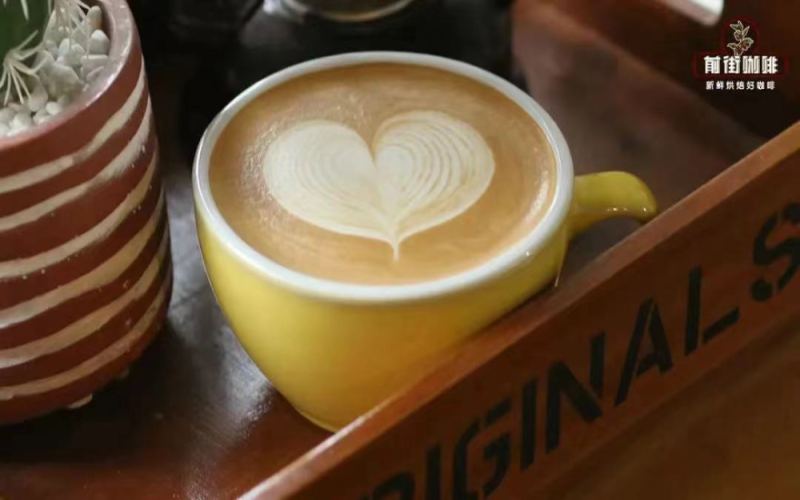
Beginner Latte Art Tutorial Explained | How Can Coffee Newbies Make a Heart-Shaped Latte Art? How Do You Use an Espresso Machine to Steam Silky, Smooth Milk Foam?
For professional coffee knowledge exchange and more coffee bean information, please follow Coffee Workshop (WeChat official account cafe_style). For more specialty coffee beans, please add private WeChat Front Street Coffee (FrontStreet Coffee), WeChat ID: qjcoffeex. Coffee latte art is coffee [more…]

Coffee Beans Specifically for Latte Art | What Kind of Espresso Beans Are Suitable for Latte Art? Step-by-Step Tutorial on How to Make a Heart-Shaped Latte Art
For more specialty coffee knowledge, please follow: Front Street Coffee (Frontsteet Coffee). Latte art almost always uses Espresso as the base, and when brewing Espresso, there are actually tricks to make it more suitable for latte art. So, which kind of coffee beans is more suitable for latte art? [more…]
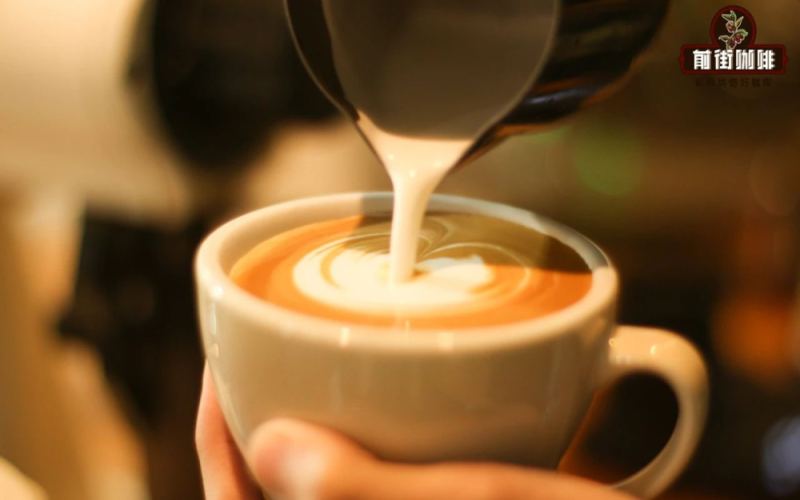
Simple Latte Art Illustrated Guide | What is the principle behind coffee latte art? Which kind of milk is used to make latte art? Is it hard for coffee beginners to learn latte art?
Many people ask Front Street, how long does it take to learn latte art? If we're just talking about producing a good-looking pattern, with a bit of luck it only takes one day. If we're talking about truly mastering a pattern, it takes at least 4 days. So many people ask, where do these 4 days come from? It's simple: Day one, read this article from Front Street; day two, practice; day three, [more…]

Step-by-Step Latte Art Tutorial | What Are the Requirements for Latte Art Coffee Beans? Recommended Specialty Espresso Beans for Milk Coffee
Latte art almost always uses espresso as its base, and when brewing espresso, there are actually tricks to make it more suitable for latte art. So, which kind of coffee beans is more suitable for latte art? Front Street Coffee is here today to give the answer. Recommendations for choosing latte art coffee beans. To make perfect latte art, we first [more…]
意式浓缩咖啡的标准参数与粉量控制:从7-8克粉到8.5克Dosing Up刮粉法实测
一杯标准的Espresso究竟该怎么定义?7至8克新鲜咖啡粉,在90至95摄氏度水温与8至9个大气压的配合下,经20至25秒萃取,得到一份含Crema、Body与Heart的1盎司咖啡液——这是教科书式的基准。然而实际操作中,豆子特性、机器状态与研磨粗细都会影响最终表现。本文围绕意式浓缩的黄金参数展开,进一步探讨吧台常见的打粉与刮粉手法,包括手刀、指刀以及Dosing Up等方式,并以实测数据说明为何Dosing Up能稳定获得8.5克标准粉量。若你正在寻找靠谱的意式豆,前街咖啡的多款拼配与SOE都值得一试,本文也将结合前街产品给出实用建议。 [more…]
Introduction to Coffee Types | Why Do Some Coffees Not Cause Insomnia? What Is Decaf Coffee? Where Does Decaf Coffee Come From?
Yesterday, Front Street was chatting with a regular customer and asked why they always travel such a long way to Front Street for coffee. After all, Front Street's location is rather out of the way, and they also sell drip bag coffee online on Taobao that you can brew at home, so there's really no need to go to all that trouble to make a special trip every day. And just as Front Street was mentally preparing [more…]
Espresso Complete Guide: Definition, Extraction Process, Suitable Coffee Beans, and Tasting Methods
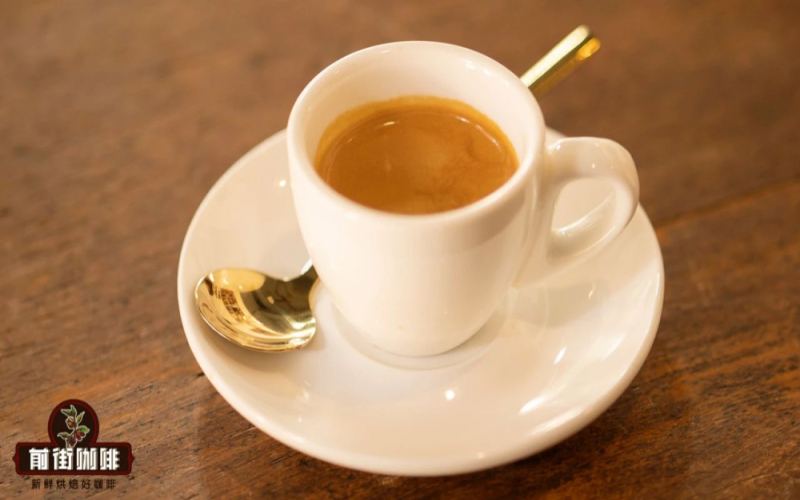
Espresso is the core of the Italian coffee system and the base for many drinks such as lattes and cappuccinos. Starting from the origin and definition of espresso, this article systematically explains its flavor characteristics and three-layer structure (crema, body, heart), and provides the extraction parameter ranges under SCA standards along with Front Street Coffee's actual in-store serving plan. It also introduces the flavor performance of Front Street's "Sunflower Warm Sun Espresso Beans" and the classic espresso blend, as well as the correct steps for tasting espresso and the recommended ratios for lattes and Americanos, helping coffee lovers fully understand and make a delicious cup of espresso. [more…]
Espresso Coffee Bean Blending Methods | Which Espresso Coffee Beans Are Recommended for Home Espresso Machines? Introduction to Specialty Espresso Coffee Bean Roasting Brands
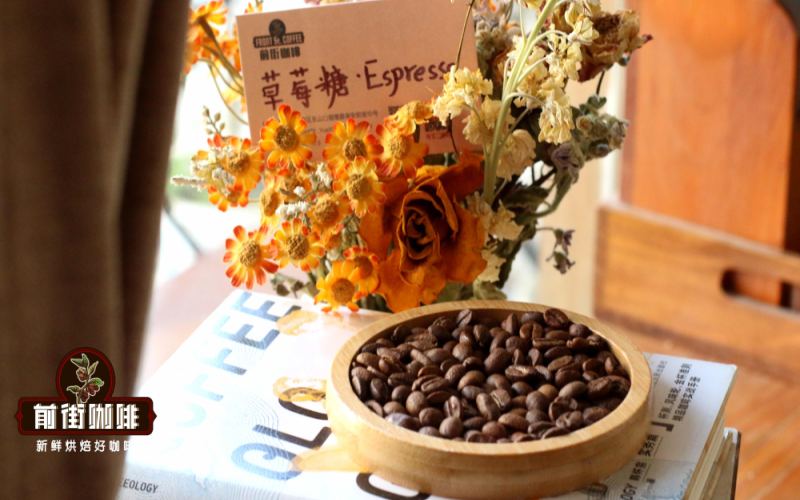
At this moment, you are standing in the supermarket, staring at rows of espresso beans on the shelf, feeling overwhelmed. You notice that every coffee is different—some are dark roasted, some are light roasted; some are labeled as blends, while others list various flavor notes. Perhaps you are wondering: which ones are truly delicious espresso? [more…]
Illustrated Latte Art Tutorial: Key Points on Milk Foam Thickness and a Full Analysis of Milk Selection
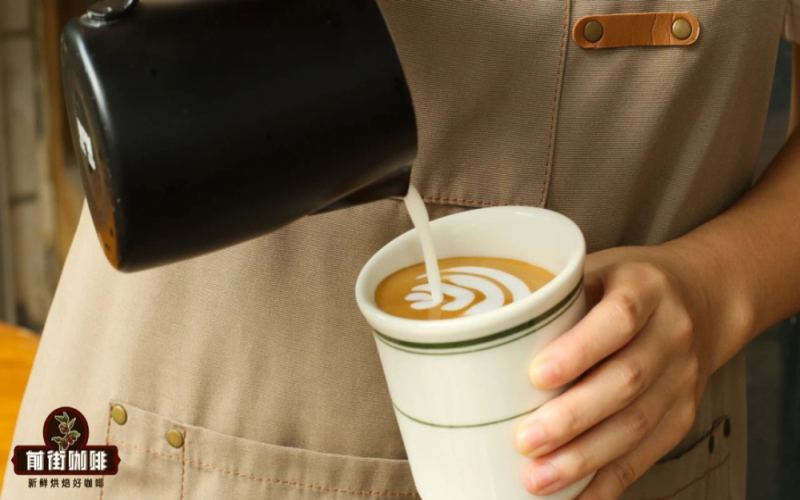
Many friends who are just getting into coffee think latte art looks simple—just pour casually and you'll get a heart or a tulip. But when they actually try it, they discover the milk always floats on the surface in clumps. In fact, the key to latte art lies in the condition of the milk foam, the pouring technique, and the way you hold the pitcher and the cup. This time, Front Street Coffee focuses on latte art, breaking down the operational details of each step—from the required foam thickness, steam wand positioning, and steaming temperature, to pouring practice and how to hold the milk pitcher—to help everyone avoid detours and pour a decent-looking pattern as quickly as possible. [more…]

Espresso Black Coffee | Where Does the Aroma of Espresso Come From? What Is Espresso Made Of? How Do You Make Espresso?
For more specialty coffee knowledge, please follow: Front Street Coffee (Frontsteet Coffee) Thick surface, golden crema, strong and full-bodied with a strong sweet aftertaste. As the carbon dioxide in the crema is released, the alluring volatile aromatic compounds follow along. Espresso es [more…]
A Comprehensive Analysis of the Pros and Cons of Coffee Drinking: Ingredients, Benefits, Risks of Overconsumption, and Precautions for Six Groups of People
Coffee is a drink many people can't do without every day, but what exactly are its positive and negative effects on the body? This article starts with coffee's main components, systematically sorting out the effects of substances such as caffeine, tannic acid, fat, and sugar, then separately explains the benefits of drinking coffee in moderation, including refreshing the mind, protecting the skin, sobering up, and preventing gallstones, while also discussing problems that may be caused by excessive intake, such as caffeine poisoning, insomnia, and anxiety. The article also specifically lists six groups of people who should not drink much coffee, and gives reminders about drinking on an empty stomach and for people with high blood pressure. If you care about the relationship between coffee and health, this content can serve as a fairly complete reference. [more…]

The Principles of Latte Art | What Is the Key to Making Latte Art? Why Is There No Pattern When Making Latte Art?
“Why can't my latte produce a beautiful pattern? Why is it that when others casually wiggle the milk pitcher, they can make a heart or leaf with lines! But when I wiggle, it always just looks like a blob… Is there something wrong with my hands?” No! Maybe it's your pitcher-holding posture that's wrong~ What is the principle behind latte art? Why can wiggling produce a pattern? Espresso [more…]
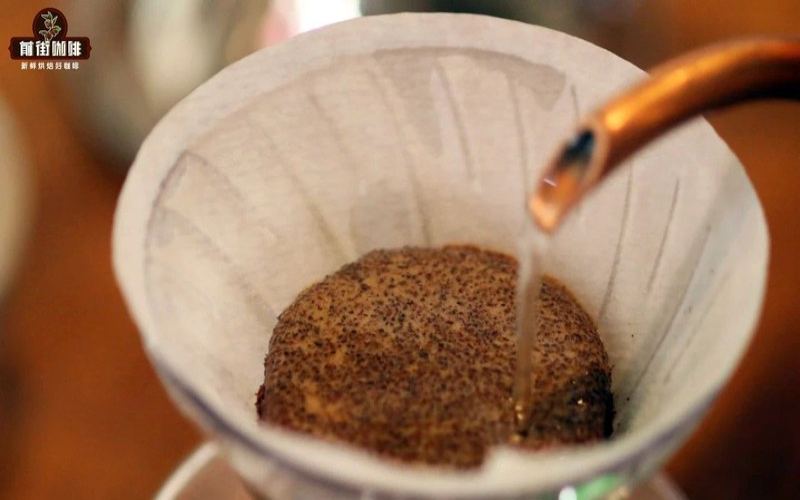
The Flavor Window and Brewing Rhythm of Medium-Roast Coffee Beans: From Degassing to Opening and Storage
Freshly roasted coffee beans are rich in carbon dioxide internally. Under the heat of a medium roast, a loose, porous structure forms, and these gases are gradually released over the following days. If you grind and brew the beans immediately after getting them, the vigorous bubbling of gas will hinder full contact between the water and the coffee grounds, leading to uneven extraction. [more…]

Espresso Flavor Window Analysis: Managing the Flavor Rhythm from Degassing Rest to Opening and Sealing
Freshly roasted coffee beans are filled with active carbon dioxide gas internally. During extraction, this gas creates resistance that prevents hot water from fully contacting the coffee grounds. For espresso extraction, excessive gas makes the crema appear coarse and dissipate quickly, while the flavor tends toward dryness. Allowing the roasted beans to [more…]
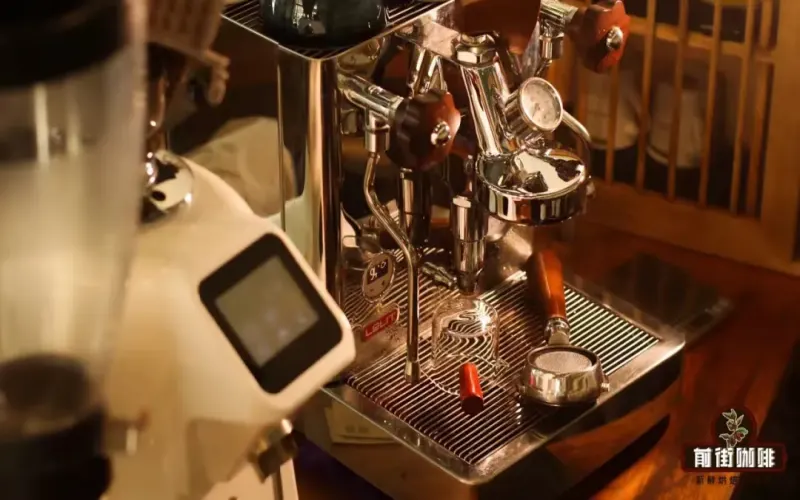
The Origin of Espresso | How Do You Drink Espresso? How Do Espresso and Americano Black Coffee Differ in Flavor and Mouthfeel?
For more specialty coffee knowledge, please follow our WeChat official account: Front Street Coffee (FrontStreet Coffee). Many people walk into a café, see a very small cup of black coffee with a golden layer of foam floating on top, and out of curiosity order one themselves, only to discover that this stuff actually tastes [more…]
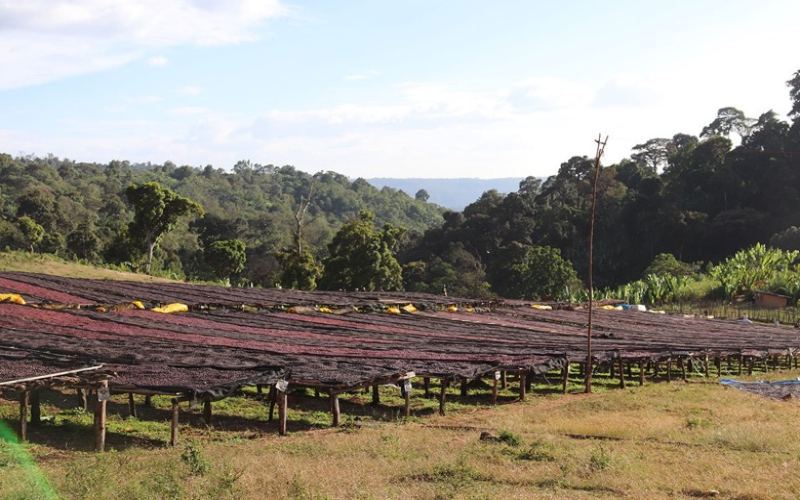
Micro-lots as Small as a Few Sacks—What Makes Them So Memorable?
In the world of specialty coffee, micro-lot is a term that sets hearts racing. It might come from a small east-facing plot on an estate, or from a small batch of green beans processed separately in a single fermentation tank at a processing station. The yield is often only a few dozen bags, and once they're sold out for the season, you'll have to wait until next year for that same flavor. This sense of exclusivity, [more…]
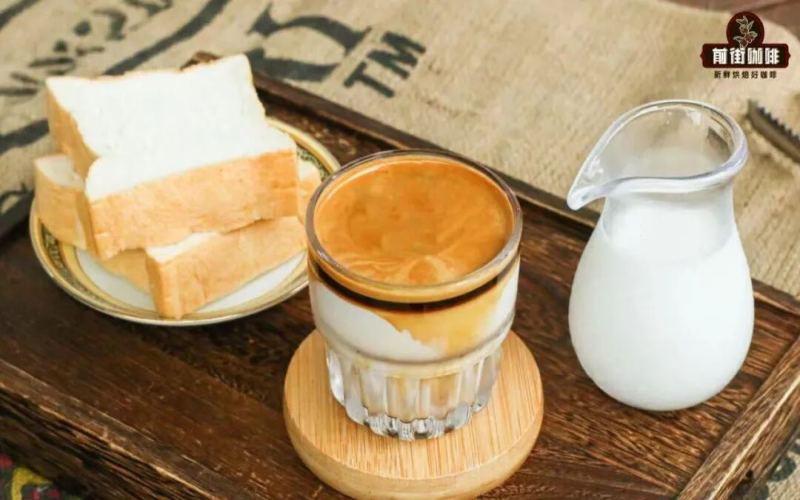
Espresso Coffee | What is the difference between Dirty Coffee and Iced Latte? What are the flavor and mouthfeel characteristics of Dirty?
Simply pour chilled milk into a cup, then gently drizzle warm espresso over the surface, and a highly popular milk coffee—Dirty—is ready. Although Dirty appeared much later than traditional Italian coffee, its popularity surpasses that of most Italian [more…]